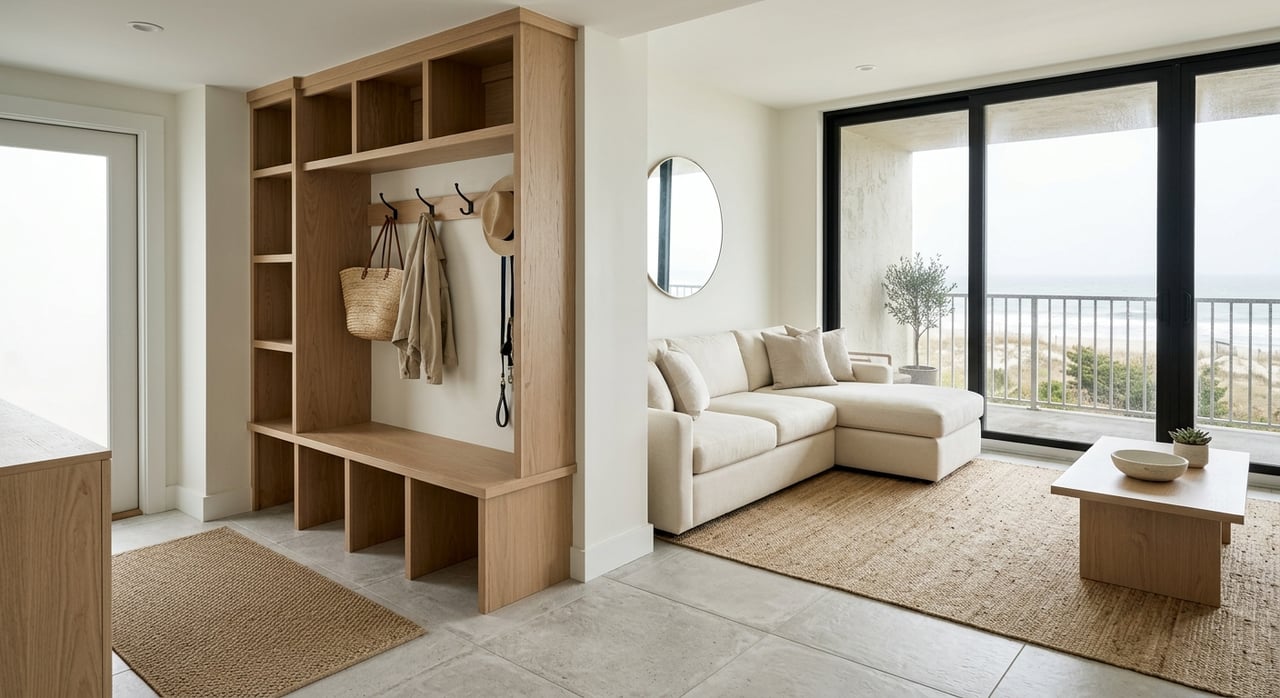
If your Pajaro Dunes home is meant to help you unwind, it should not create a long to-do list every time you arrive or leave. Between sand, salt air, moisture, and frequent guest turnover, even a beautiful beach retreat can start to feel high-maintenance fast. The good news is that smart design choices can help you protect the home, simplify upkeep, and preserve its coastal appeal. Let’s dive in.
Why low-maintenance matters at Pajaro Dunes
Pajaro Dunes is not just any coastal setting. It is a gated beachfront community on Monterey Bay with condos, townhomes, and beach houses stretched along about 1.5 miles of beach. The community is also closely tied to vacation stays and guest turnover, which makes easy cleaning, quick resets, and durable finishes especially important if you use the home part-time or share it with guests.
The local environment also shapes what works here. Monterey Bay conditions can shift throughout the day, and winter often brings the largest waves and swells. Santa Cruz County identifies Pajaro Dunes and the broader coastline as exposed to coastal bluff erosion, storm surge, and tsunami hazards, so low-maintenance design is really part of a bigger durability and resilience strategy.
Start with durable materials
In a place like Pajaro Dunes, the best design decisions often begin behind the scenes. Coastal construction guidance emphasizes resistance to moisture, corrosion, and decay, especially in salt-air environments where standard materials may wear out faster. That means the hidden parts of the home, such as connectors and fasteners, matter just as much as the finishes you can see.
If you are planning updates, corrosion-resistant hardware should be high on your list. Salt spray and humidity can affect load-path components over time, so choosing the right fasteners and connectors helps support long-term performance. It is one of those details that may not change the look of a room, but it can make a meaningful difference in a coastal property.
Choose flooring that handles sand and moisture
Flooring takes a beating in a beachside home. Wet towels, sandy shoes, and regular foot traffic can quickly wear down surfaces that are better suited to inland living. Hard, water-resistant flooring tends to be the most practical fit in entries, kitchens, baths, laundry areas, and utility spaces.
Materials such as tile, vinyl, linoleum, and sealed concrete are often better suited to spaces that regularly get damp. Carpet is generally less practical in these areas because it can trap moisture and make cleanup harder. If your goal is a retreat that feels easy to own, flooring should support quick cleanup rather than constant maintenance.
Use exposed wood carefully
Wood can still play a role in a coastal interior, but it needs to be chosen thoughtfully. In spots that may see more humidity, especially near openings or in exterior-adjacent areas, decay-resistant lumber or pressure-treated products are better aligned with coastal durability guidance.
Compatibility also matters. If exposed wood is part of your plan, connectors and fasteners should be selected to work properly with those materials. This is a practical way to protect both the look and lifespan of the home.
Keep the interior simple to reset
A low-maintenance retreat usually works best when it is easy to restore after every stay. At Pajaro Dunes, owner guidance and guest expectations point to a few recurring priorities: fresh linens, beach gear, updated kitchens and baths, strong lighting, private Wi-Fi, and a home that feels well cared for.
That does not mean the space needs to feel sparse. It means each design choice should support everyday use, easier cleaning, and smoother turnover. A practical layout can still feel polished, calm, and coastal.
Prioritize closed storage
Closed storage is one of the most useful features in a beach home. Towels, spare bedding, cleaning supplies, and beach gear all need a place to go, especially if you want the home to feel uncluttered between visits.
Built-in cabinets, storage benches, and simple closet systems can help keep everyday items out of sight. The less visual clutter you have, the easier it is to clean, stage, and enjoy the home. This also helps protect the calm, organized look that tends to resonate with buyers and guests alike.
Pick furnishings that are easy to clean
In a sand-and-salt setting, ornate pieces often create more work than value. Wipeable surfaces, durable seating, and removable covers tend to make far more sense in a home that may see frequent use.
A smaller number of durable accents usually works better than lots of delicate decor. This approach keeps the home feeling intentional without making each visit start with dusting, washing, or rearranging. It also supports the clean, visually quiet style that fits coastal living well.
Design with resilience in mind
Low-maintenance design at Pajaro Dunes is not only about convenience. It is also about making choices that respect the realities of the site. The area has a Geologic Hazard Abatement District, and the district lists a seawall and revetment maintenance project, which reinforces the fact that shoreline exposure is an active issue here.
For homeowners, that means it is wise to think in terms of durability first. Materials that can handle moisture, salt, and wear are often better long-term choices than finishes that look good on day one but require constant upkeep. In this setting, resilience and low maintenance usually go hand in hand.
Favor visually quiet updates
The most effective improvements in a coastal community are often the ones that feel natural to the setting. Santa Cruz County design criteria call for a harmonious appearance, minimum grading and tree cutting, and suitable landscaping. In practical terms, the most marketable updates are often the ones that work with the original coastal character rather than against it.
That is one reason durable, understated materials can be so effective. They tend to age better, require less attention, and support a more timeless look. If resale is part of your long-term plan, this kind of restraint can be a strength.
Know the approval process before you start
Before making changes, it is important to understand who needs to approve what. At Pajaro Dunes, the HOA handles exterior items, while interiors are the homeowner’s responsibility. The owner FAQ also notes that many exterior changes require advance HOA approval.
County rules matter too. Santa Cruz County says a Coastal Development Permit is required in the coastal zone unless an exemption applies, and even exempt projects may still need a permit in certain cases, including work on a beach, wetland, near a coastal bluff, or projects involving substantial grading. That makes early planning especially important if your updates go beyond cosmetic interior work.
Focus on improvements with everyday value
The best low-maintenance upgrades usually make the home easier to live in now while also supporting future resale. In Pajaro Dunes, that often means durable flooring, better storage, refreshed kitchens and baths, and lighting that improves daily function.
These are the kinds of updates that align with how people actually use coastal second homes and vacation properties. They also support a cleaner presentation, which matters when it is time to photograph, market, or prepare a home for sale.
What buyers notice in a coastal retreat
If you eventually sell, buyers will often respond to the same qualities that make the home easier for you to own. A home that looks well cared for, feels bright, and has practical storage tends to create confidence. Updated kitchens and baths, clean finishes, and a layout that supports easy living can also help a property stand out.
At the luxury end of the coastal market, design still matters, but so does ease. Buyers looking at Pajaro Dunes often want beauty without unnecessary complication. A retreat that feels calm, durable, and ready to enjoy can be especially compelling.
If you are weighing which updates make the most sense for your home at Pajaro Dunes, thoughtful guidance can help you prioritize improvements that fit the property, the setting, and your long-term goals. The Lyng-Vidrine Team brings a hands-on understanding of coastal homes, design positioning, and presentation strategy across Santa Cruz County.
FAQs
What flooring works best in a Pajaro Dunes beach home?
- Hard, water-resistant flooring such as tile, vinyl, linoleum, and sealed concrete is generally better suited for sand-heavy and damp areas like entries, kitchens, baths, and laundry spaces.
What makes a Pajaro Dunes home low-maintenance?
- A low-maintenance Pajaro Dunes home usually includes durable materials, easy-clean surfaces, closed storage, simple furnishings, and finishes that can handle moisture, sand, and salt air.
Do Pajaro Dunes exterior changes need approval?
- Yes. The owner FAQ notes that many exterior changes require advance HOA approval, and some projects may also require county review or a Coastal Development Permit.
Why is corrosion resistance important at Pajaro Dunes?
- Salt spray and coastal humidity can shorten the life of standard connectors and fasteners, so corrosion-resistant hardware is an important part of long-term durability.
What updates help resale in Pajaro Dunes?
- Practical improvements such as durable flooring, better storage, updated kitchens and baths, strong lighting, and a clean, well-cared-for presentation tend to support everyday livability and future market appeal.