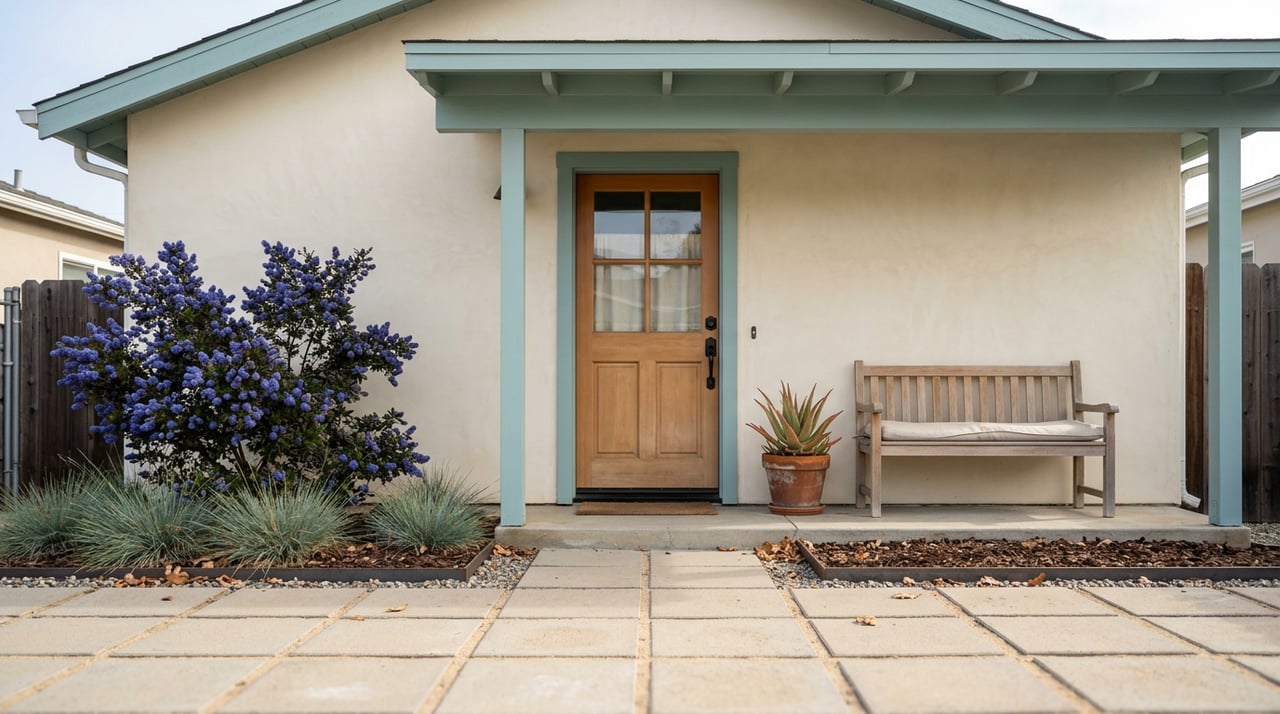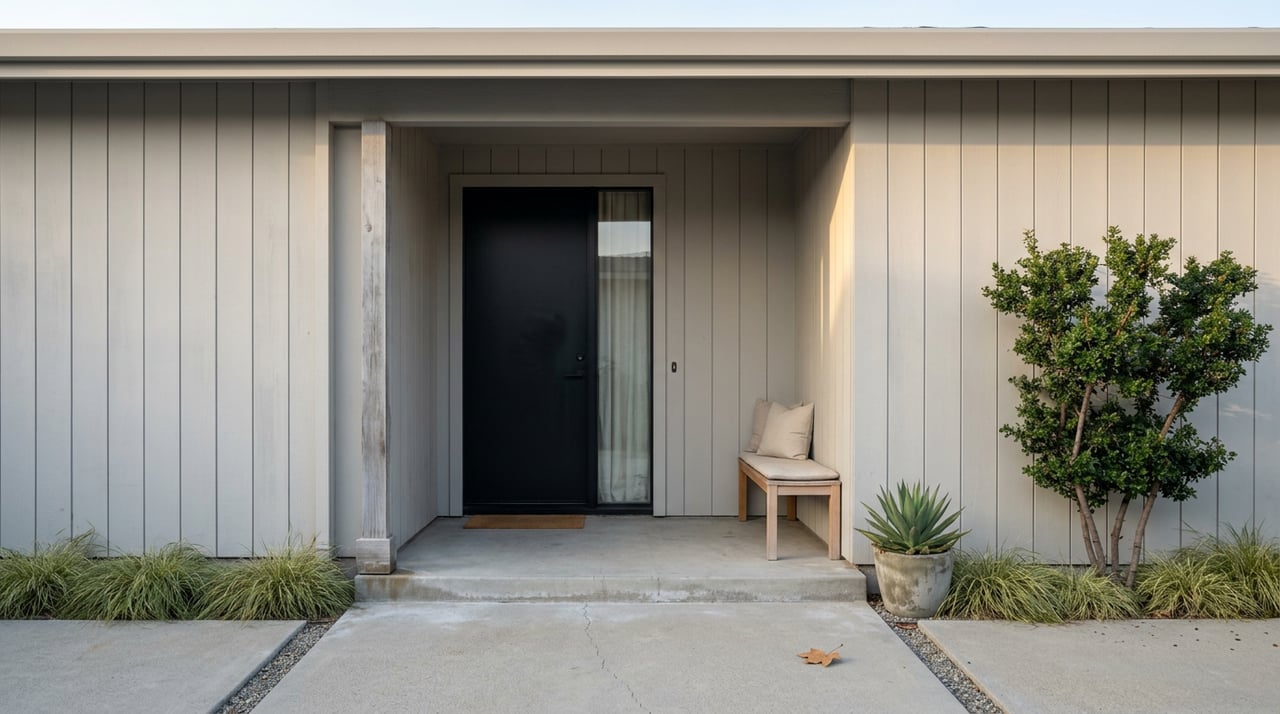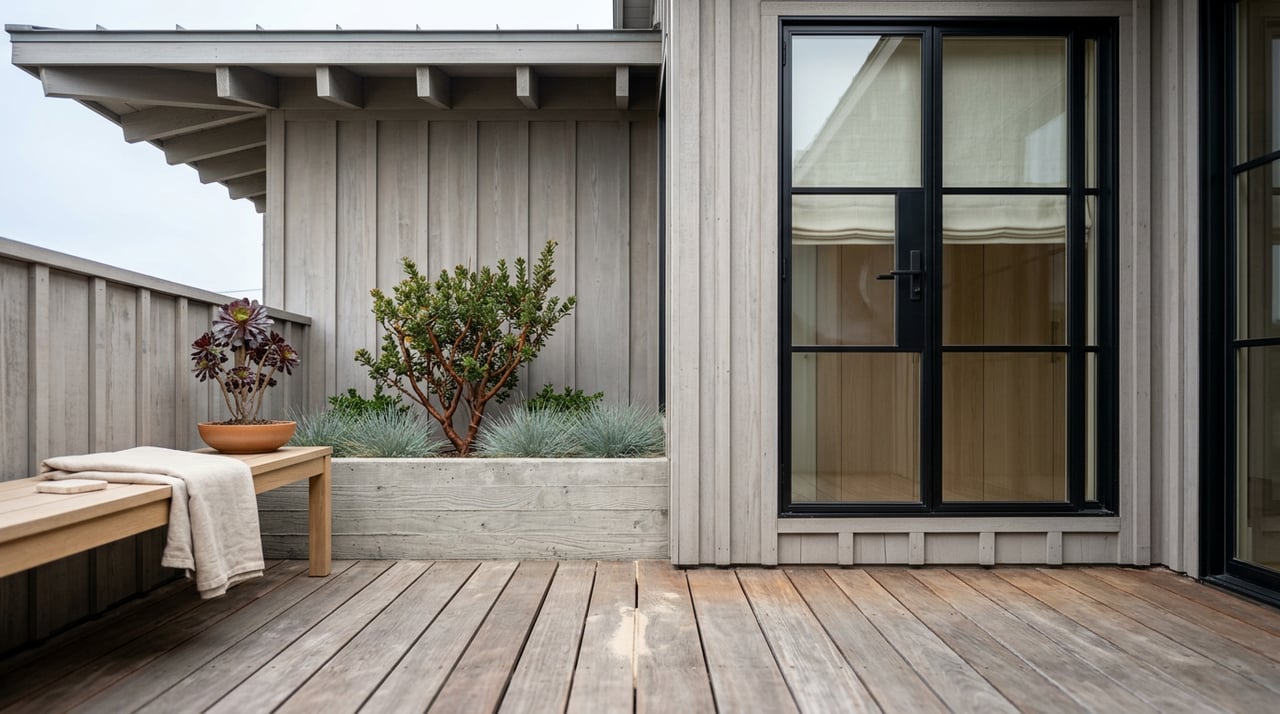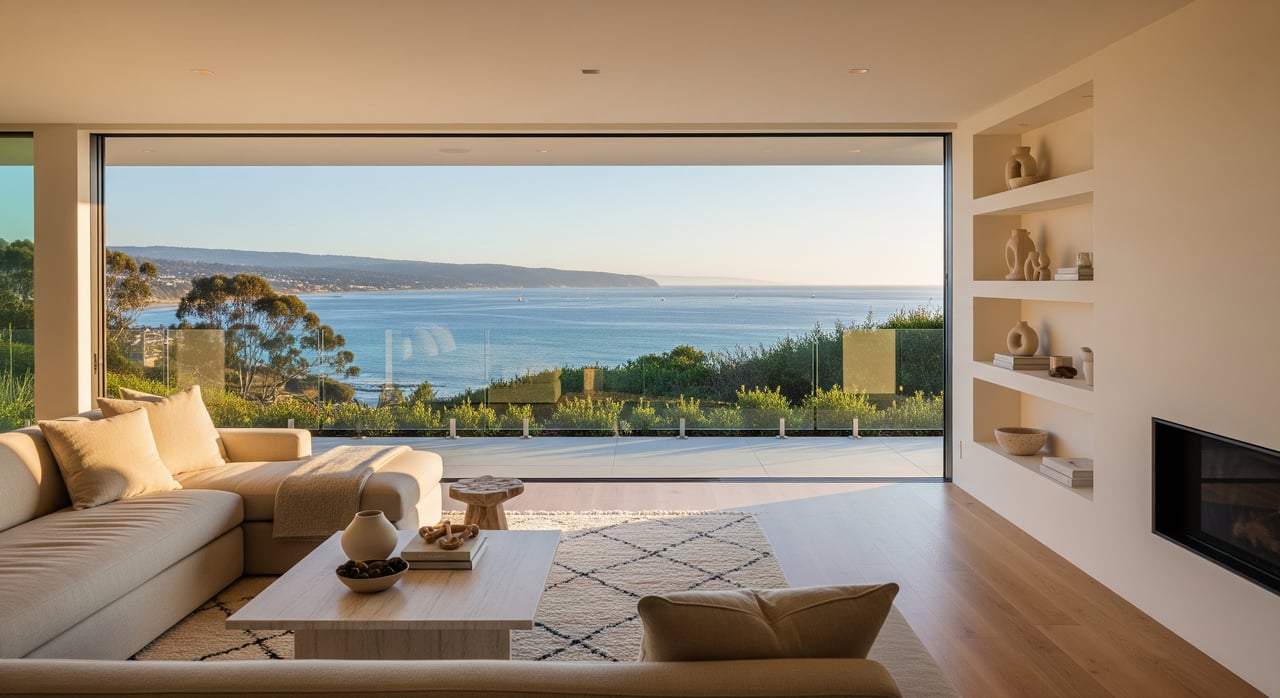
How much is the ocean worth in Capitola? If you are eyeing a cottage above Capitola Village or a modern bluff home near Pleasure Point, the view can swing price more than any single feature. You want a clear way to translate that blue horizon into numbers you can trust. In this guide, you will learn how buyers in Capitola think about ocean views, how appraisers adjust for them, and what to check before you set a price or write an offer. Let’s dive in.
Why views matter in Capitola
Capitola is a small coastal market with limited ocean‑view lots. Homes in Capitola Village, New Brighton, Pleasure Point, and nearby bluffs trade at premiums because lifestyle, beach access, and scarcity drive demand. When inventory tightens, view quality becomes a sharp differentiator that attracts multiple offers.
Seasonality also plays a role. Summer tourism can increase interest near the village and beach, while panoramic and sunset views remain in demand year‑round. Turnkey homes that combine strong sightlines with outdoor living and convenient parking tend to command the highest premiums.
Local data is the backbone of pricing. Appraisers and agents rely on recent closed sales with similar view quality in the same micro‑area. National studies show wide ranges for water‑view premiums, so you should anchor decisions to local comps, not generalized headlines.
What buyers pay for in a view
Think of a view as a bundle of attributes. Each element can add or subtract from the premium you are willing to pay.
Orientation and angle
- West‑facing views often win because sunsets create a powerful evening lifestyle.
- South and northwest exposures are also prized for long coastline panoramas.
- A narrow “glimpse” is worth less than a wide, consistent field of water and sky.
Elevation and vertical separation
- Higher elevation improves sightlines and reduces foreground obstructions.
- Elevation can also lessen foot traffic and noise from busy beach areas.
- Some buyers view elevation as a comfort factor for coastal flooding and surge concerns.
Distance to the shoreline
- Direct beachfront or bluff‑top locations carry the highest premiums.
- Bay or harbor views are valuable yet typically price below true beachfront.
- Short, walkable access to sand can amplify the value of a strong view.
Foreground and panorama
- Open water or beach in the foreground is worth more than parking lots, streets, or dense trees.
- Wide coastline sweeps across multiple parcels create top‑tier appeal.
- Continuous, unobstructed panoramas outperform intermittent or framed views.
View permanence and vulnerability
- If there are buildable lots between you and the ocean, obstruction risk can reduce value. Check zoning and active permits.
- Recorded view easements are rare. In California, there is no general right to a view without a recorded easement or restrictive covenant.
- Low elevation and exposed bluffs bring long‑term risk from sea‑level rise and erosion, which buyers expect to see disclosed.
Privacy, noise, and human activity
- Private sightlines that do not expose your living spaces to public paths are preferred.
- Proximity to busy parking areas or late‑night activity can reduce the enjoyment of the view.
- The quieter the vantage point, the more buyers are willing to pay.
Built features that deliver the experience
- Large, well‑placed windows and quality glazing let you live with the view comfortably.
- Outdoor spaces that face the ocean, like decks, balconies, terraces, and rooftop patios, increase usable living area.
- Easy flow from living rooms to outside improves day‑to‑day enjoyment and perceived value.
Access and amenity adjacency
- Private or near‑private beach access often commands an added premium.
- Walkable proximity to Capitola Village restaurants and shops raises appeal, while limited parking or steep approaches can deter some buyers.
Turn features into price
Here is a simple framework you can use to translate view quality into pricing adjustments. Use it to calibrate list price expectations or to sanity‑check an offer. Always verify with current closed comps.
Step 1: Establish the base
Find a recent closed comp in the same micro‑area that has no view or a clearly lesser view. This becomes your base market value for a similar home without the ocean premium.
Step 2: Categorize the view tier
- Partial or limited view: Glimpse or obstructed view from one or two rooms. Heuristic premium often in the low single digits, roughly up to about 5 to 8 percent.
- Clear ocean view: Consistent view from main living spaces with some panorama. Heuristic premium commonly in the low double digits, roughly 8 to 20 percent above a similar non‑view.
- Panoramic or direct waterfront: Unobstructed, sweeping panorama or direct beach access. Premium can be substantial, often 20 to 50 percent or more depending on access, condition, and demand.
Step 3: Add or subtract key modifiers
Use these common buyer and appraiser heuristics to adjust your view tier up or down:
- Elevation and uninterrupted panorama: add about 5 to 15 percent.
- Direct beach access or private stairs: add about 5 to 15 percent.
- Superior outdoor living facing the ocean: add about 3 to 10 percent.
- Privacy improvements and screening: add about 2 to 8 percent.
- Obstruction risk from future development: subtract about 3 to 12 percent.
- Noise or adjacent commercial activity: subtract about 3 to 10 percent.
- Flood, tsunami, or erosion risk and tougher insurance: subtract about 5 to 20 percent, depending on buyer tolerance and costs.
Example calculation
- Base comp without a view: $1,200,000
- Clear ocean view with moderate panorama: +12 percent → $1,344,000
- Large ocean‑facing deck and high‑quality glazing: +6 percent → $1,424,640
- Minor obstruction risk from a buildable lot downslope: −6 percent → $1,338,258
Result: an expected price band near $1.33M to $1.45M, depending on condition and current market momentum.
Valuation and risk checks
Appraisers and comps
Appraisers prefer recent closed sales with similar view quality in the same micro‑area. When direct comps are scarce, they use matched‑pair analysis and make subjective adjustments supported by market evidence. Sellers should gather two to three closed sales with comparable views to support pricing and appraisal.
Buyer psychology and price elasticity
In hot cycles, best‑in‑class views can reduce price sensitivity for motivated second‑home or move‑up buyers. In cooling markets, buyers may scrutinize the premium, especially if they sense higher risk or deferred maintenance. Listing media matters. Strong photos taken at the right time of day, twilight sets, and drone panoramas often convert casual interest into competitive offers.
Insurance, hazards, and coastal permits
Check flood zones, tsunami evacuation maps, and sea‑level rise projections before final pricing. The FEMA Flood Map Service Center and the NOAA Sea Level Rise Viewer provide useful context. Coastal protection structures and stairs are regulated. Review permit histories and rules through the California Coastal Commission guidance and local records. Insurance cost and availability can affect buyer willingness to pay.
Legal protections for views
California does not guarantee a right to a view. Only recorded view easements or restrictive covenants provide legal protection. Confirm what is recorded in title and investigate any nearby buildable lots or pending permits. The Santa Cruz County Planning Department is a good starting point for local zoning and permit research.
Listing strategy to capture the premium
Show the view at its best light. If you have a west‑facing home, highlight sunset scenes and how indoor spaces flow to decks or patios. Provide floor plans that mark which rooms enjoy the view. Include drone elevation context and day‑to‑night sequences that make the panorama unmistakable to buyers and appraisers.
Quick comping checklist
Use this short list to keep your analysis tight and consistent across properties:
- Address and date of sale, plus days on market.
- View tier: partial, clear, panoramic. Note orientation, rooms with the view, and any seasonal highlights like sunset angles.
- Elevation above sea level and approximate distance to the shoreline.
- Foreground elements and the nearest buildable lot between the home and the ocean.
- Outdoor living: size, orientation, and usability of decks, balconies, terraces, and rooftop areas.
- Beach access type: private stairs, shared path, or public access proximity.
- Hazard designations: FEMA flood zone, tsunami evacuation zone, and coastal bluff or erosion context.
- Recorded easements or CC&Rs that affect views or access.
- Photo sets from the same vantage points, including twilight and daytime shots.
- Parking, walkability to Capitola Village, and circulation to outdoor view areas.
- Construction quality, glazing, and overall condition.
For sellers and buyers: next steps
If you are selling, anchor your list price to closed comps with similar view quality, then use the tier and modifier framework to support your premium. Package the story with professional photography, drone film, and clear disclosure of hazard and permit history. That combination helps buyers and appraisers understand and validate the value.
If you are buying, start with the base price for a similar non‑view home. Place the home in the correct view tier, then adjust for amplifiers like elevation, privacy, outdoor living, and beach access. Subtract for obstruction risk, noise, and hazard or insurance costs. Verify the math with very recent sales in the same micro‑area.
You do not have to navigate this alone. If you want a data‑driven price band for your Capitola view home or a confident plan to compete for one, connect with The Lyng‑Vidrine Team. Our neighborhood focus, cinematic media, and concierge preparation help you capture or secure the full value of a coastal view.
FAQs
How do Capitola buyers price ocean views?
- Buyers and appraisers start with a non‑view comp, add premiums for partial, clear, or panoramic tiers, then modify for elevation, access, outdoor living, privacy, and risk.
What premium should I expect for a partial vs panoramic view?
- Partial views often add a small single‑digit premium, clear views add low double digits, and panoramic or direct waterfront can add 20 to 50 percent or more, subject to local comps.
How do hazards affect ocean‑view pricing in Capitola?
- Flood, tsunami, and erosion risks, along with insurance costs and coastal permit limits, typically reduce premiums by about 5 to 20 percent depending on severity.
Can I legally protect my Capitola ocean view?
- Only with a recorded view easement or restrictive covenant. There is no general right to a view in California, so confirm title and nearby development potential.
What proof helps an appraiser support my view premium?
- Provide recent closed comps with similar view quality, robust photography and drone angles, floor plans indicating view rooms, and clear disclosure of permits and hazards.