Dreaming of an easy, toes-in-the-sand escape that you can lock and leave? If you are weighing a second home on the Monterey Bay, Pajaro Dunes keeps popping up for good reason. You want a clear picture of the lifestyle, the rules, the real costs, and what to check before you buy. This guide walks you through the essentials so you can decide with confidence. Let’s dive in.
Pajaro Dunes at a glance
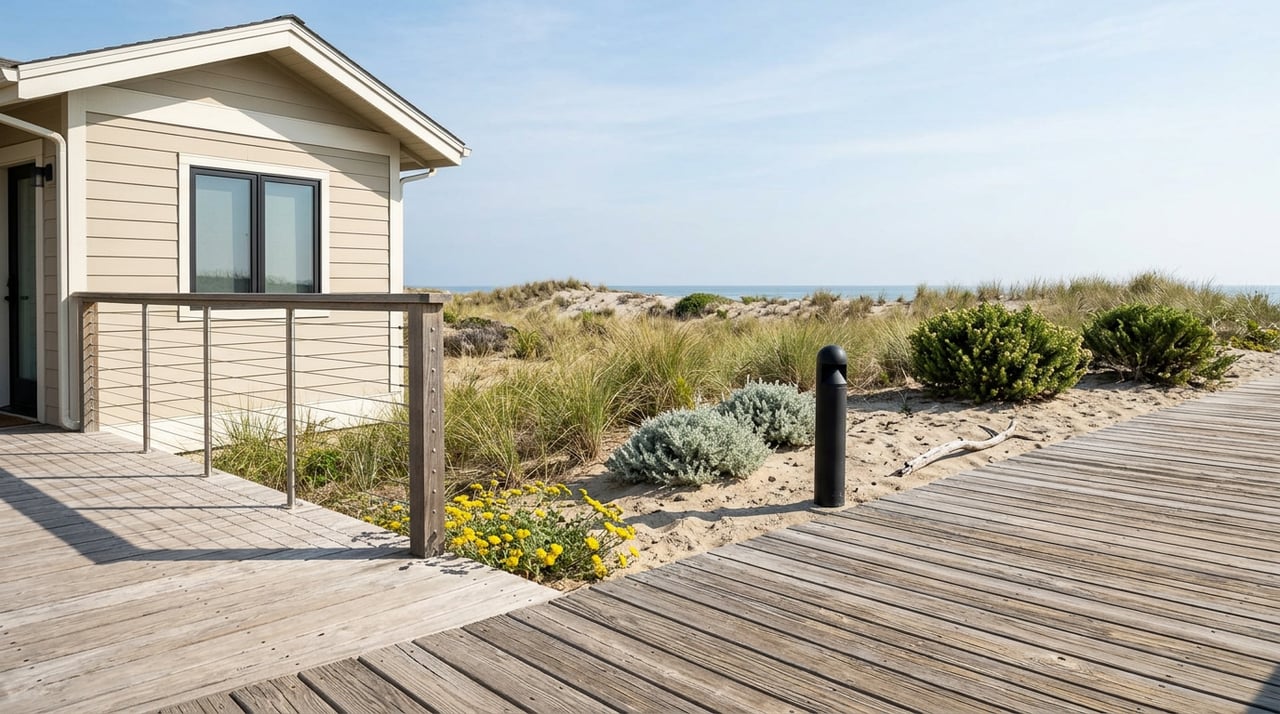
Pajaro Dunes is a gated, resort-style beach community on the north edge of Monterey Bay, just west of Watsonville. The setting is quiet and coastal, with staffed gate access, internal boardwalks to the sand, and a low-key vacation vibe. Published travel guides place it about 1 hour from San Jose and roughly 1.5 to 2 hours from San Francisco, which makes quick weekend trips realistic for many Bay Area owners. You will find on-site resort services and a community designed for easy arrivals and departures. The resort overview gives you a feel for the layout and travel logistics.
The beach frontage here is commonly described as about 1 to 1.7 miles. State shoreline listings show similar ranges, which reflects how different sources measure the coast. If walkable sand is your priority, review both the official shoreline data and the community map for context. You can see the state shoreline mapping in the California Water Boards shoreline report.
Amenities include tennis and pickleball courts, event and meeting spaces, landscaped greens, and multiple boardwalks to the beach. Many owners value the on-site hospitality team for housekeeping and guest logistics when renting. For a full list of venue spaces and community features, browse the Facilities and Floorplans page.
What you can buy
Condos and townhomes
You will see several distinct enclaves. Shorebird and Pelican Point offer condominium living with convenient beach or lagoon adjacency and multi-unit buildings. Cypress Grove features attached townhomes that live like multi-story beach houses. These formats suit buyers who want low-maintenance ownership with common-area care included.
Oceanfront houses
Along the oceanfront are individually owned beach houses, often with reverse floor plans that place living spaces on the upper level for views. Sizes and layouts vary from cozy two-bedroom retreats to larger multi-bedroom homes built for extended stays. Pricing and availability change with the market, so expect a wide range and confirm current values with active listings and recent sales before you commit.
Ownership, HOAs, and the GHAD
Pajaro Dunes is governed by multiple homeowner associations that manage rules, budgets, and common-area maintenance. Sub-associations cover specific buildings or clusters, and each has its own CC&Rs and dues. Before you buy, review the CC&Rs, meeting minutes, reserve studies, and current fee schedules so you understand what is covered and what is not. The community’s policies and procedures outline many of the operational rules that affect day-to-day use.
A key part of Pajaro Dunes is the Pajaro Dunes Geologic Hazard Abatement District (PDGHAD). The GHAD is a special district formed to maintain and repair coastal protections, including the large rock revetments along the beach and the riverwall near Pelican Point. GHAD assessments can be levied to fund repairs and long-term protection work. Always review the latest GHAD engineer’s reports, budgets, and any ballot language for pending assessments. You can see documented repair programs and cost allocation methods in the PDGHAD meeting packet and engineer’s report.
Bottom line: HOA dues and GHAD assessments are separate. Confirm who maintains what, how reserves are funded, and what special assessments are on the horizon before you finalize your offer.
Planning to rent your home
Short-term and vacation rentals in Pajaro Dunes are governed by Santa Cruz County’s rules for unincorporated coastal areas. Whole-home vacation rentals often require a permit, and some zones have caps or waitlists. If rental income is part of your plan, verify the specific parcel’s permit status, not just the community’s general practice. The County’s page explains permit types, waitlists, and renewal steps. Start with the Santa Cruz County Vacation Rentals guide.
Many owners use on-site or local property managers for bookings, housekeeping, and guest support. Budget for management fees, platform commissions, transient occupancy taxes, and seasonality. Also, check your HOA’s rental rules to confirm allowed minimum stays, guest passes, and any fines for violations.
Coastal hazards, flood zones, and insurance
Pajaro Dunes sits on a narrow coastal spit near the Pajaro River mouth. The community has a history of storm events that required repairs to oceanfront revetments and the riverwall. This is why the GHAD exists and why you should plan for coastal-hazard due diligence. Review recent engineering updates and ask for elevation certificates for the specific property. The PDGHAD engineer’s report provides detailed context on the protection footprint and repair needs.
Insurance is a practical reality. Coastal homes and condos can face higher premiums, stricter underwriting, or limited carrier availability. At a minimum, obtain quotes for homeowners coverage and flood insurance, and consider excess flood or umbrella if advised by your broker. For a plain-English overview of flood insurance planning, review this Consumer Reports guide to flood insurance.
Smart steps:
- Ask the seller for any elevation certificate and prior insurance details.
- Get homeowners (HO-3 or HO-6), flood (NFIP or private), and umbrella quotes early.
- Confirm whether your lender will require flood insurance based on FEMA mapping.
- Keep an eye on GHAD updates and how they may affect future assessments.
Everyday practicals for remote owners
Being a few miles from town keeps the setting relaxed, but you will want a plan for the basics.
- Internet and bandwidth. Check provider availability for your exact address, including cable, fiber, or 5G home internet. A quick starting point is this Watsonville internet availability lookup.
- Gate and guest passes. Pajaro Dunes uses a staffed gatehouse and pass system. Review guest, contractor, and parking rules in the community’s policies and procedures.
- Wildlife and beach protections. The Pajaro River mouth and dunes support shorebird habitat, including the snowy plover. Seasonal protections can affect where and when you can walk. The local birding guide outlines what to expect at different times of year at Pajaro Dunes and the river mouth.
- Services and supplies. Groceries, dining, and medical services are in Watsonville, a short drive away. Plan deliveries and contractor access around gatehouse rules.
- Housekeeping and maintenance. Many owners use the resort’s services or local vendors for turnover and repairs. Build these costs into your annual budget.
- Travel rhythm. Typical drive times from San Jose and San Francisco make weekend use feasible. Confirm your route options during peak traffic hours.
Pajaro Dunes vs single-family coastal areas
If you are deciding between a resort community and a traditional neighborhood nearby, focus on these trade-offs:
- Management and maintenance. Pajaro Dunes associations and the GHAD coordinate common-area and shoreline protection work, which reduces hands-on tasks for you but adds shared governance and assessments. Single-family coastal streets often leave seawall or bluff issues to individual owners. The PDGHAD report shows why collective action matters here.
- Amenities and social life. Pajaro Dunes offers courts, event spaces, and internal paths geared for groups and reunions. Traditional neighborhoods usually trade shared amenities for privacy and independent access.
- Rules and flexibility. Resort rules at Pajaro Dunes are clear and enforced, which many owners appreciate for consistency and quiet. If you want full flexibility on pets, guests, or events, review the community rules closely and compare with any other neighborhood CC&Rs you are considering.
- Rental potential and constraints. Pajaro Dunes has established rental operations, but County permits, caps, and waitlists still apply and vary by parcel. Always verify permit status with the County Vacation Rentals page before counting on income.
- Hazard exposure. Beachfront condos and homes on a narrow spit face more direct coastal exposure than many inland streets. Pajaro Dunes manages this through revetments and a riverwall, but that does not eliminate insurance or assessment risk.
Is Pajaro Dunes a fit for you?
You might love it if:
- You want true beachfront access with a managed, low-maintenance lifestyle.
- You prefer clear community standards, quiet nights, and a staffed gate.
- You plan to use on-site services for housekeeping and, possibly, rentals.
It may not be ideal if:
- You want maximum flexibility on pets, events, or frequent large gatherings.
- You prefer no HOA oversight or shared coastal-protection costs.
- You want walkable access to shops and restaurants inside your gate.
Your due-diligence checklist
- CC&Rs, bylaws, rules, and recent HOA meeting minutes for the specific association.
- Current HOA dues, master insurance coverage, and the latest reserve study.
- PDGHAD materials: engineer’s reports, budgets, minutes, and any pending assessments.
- County vacation-rental permit status for the exact parcel, plus renewal and transfer details.
- Flood and hazard details: FEMA map panel, elevation certificate, and flood quotes.
- Insurance quotes for homeowners, flood, and umbrella, plus any lender requirements.
- Internet provider availability and speed tests for the property’s address.
- Estimated rental performance net of management, taxes, platform fees, and vacancy.
- Recent comparable sales and current market activity for pricing context.
If Pajaro Dunes aligns with your second-home goals, the next step is targeted property scouting and a careful document review. If it does not, you still walk away with a clear framework to evaluate other Monterey Bay options with confidence. When you are ready to explore or compare neighborhoods, we are here to help you move forward with clarity and care. Connect with The Lyng-Vidrine Team to start a focused search.
FAQs
Is the beach at Pajaro Dunes private?
- Pajaro Dunes controls entry along its private roads and boardwalks, but adjacent state park beaches are public and public-access rights apply along those lands. For background on public-access history in the area, see this State Lands Commission minute item on related parcels and shoreline protection.
How do short-term rental permits work in Pajaro Dunes?
- Santa Cruz County requires permits for many vacation rentals in unincorporated coastal areas. Always confirm a property’s permit status, any caps or waitlists, and HOA rental rules before you buy.
Who maintains the seawall and revetments?
- The Pajaro Dunes Geologic Hazard Abatement District coordinates maintenance and repair of oceanfront revetments and the riverwall. Owners may receive GHAD assessments to fund these projects.
What insurance should I plan for as a buyer?
- Expect to obtain homeowners coverage and flood insurance, with possible excess flood or umbrella depending on lender and risk profile. Start quotes early and use any elevation certificate available.
Can I rely on high-speed internet for remote work?
- Availability varies by exact address. Check cable, fiber, and 5G options for the unit you are considering, and confirm speeds during peak hours before you close.