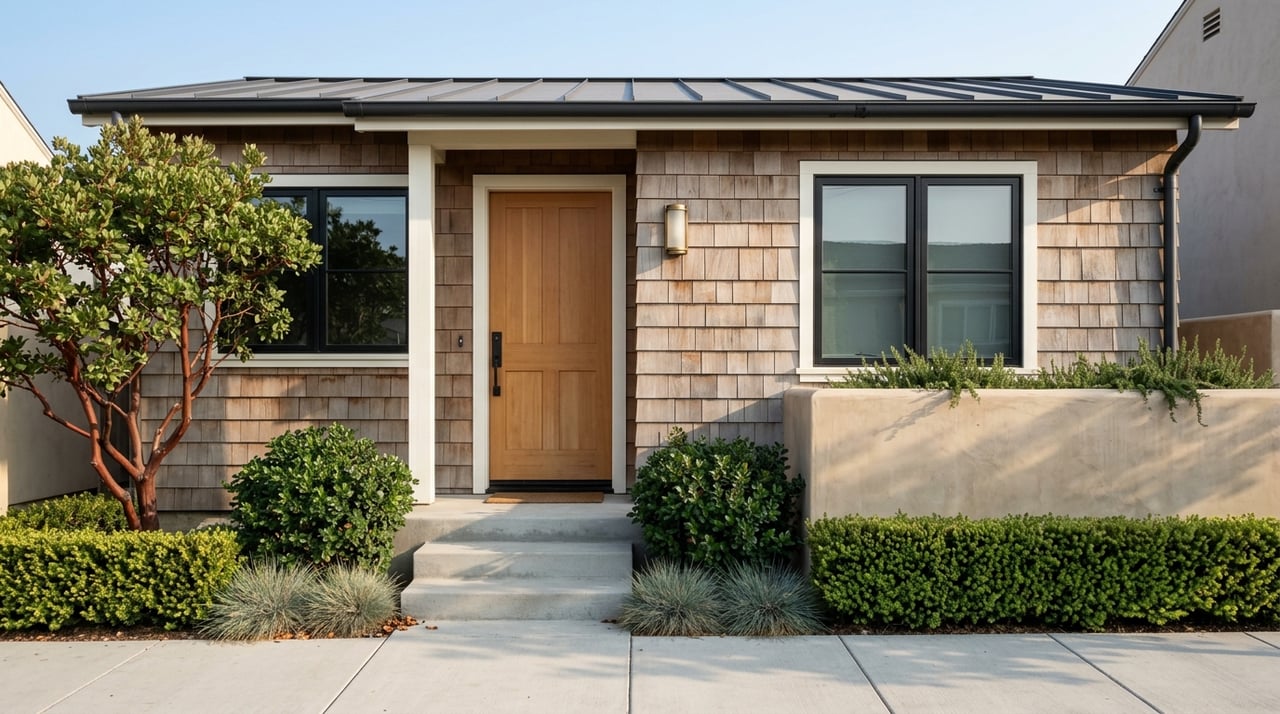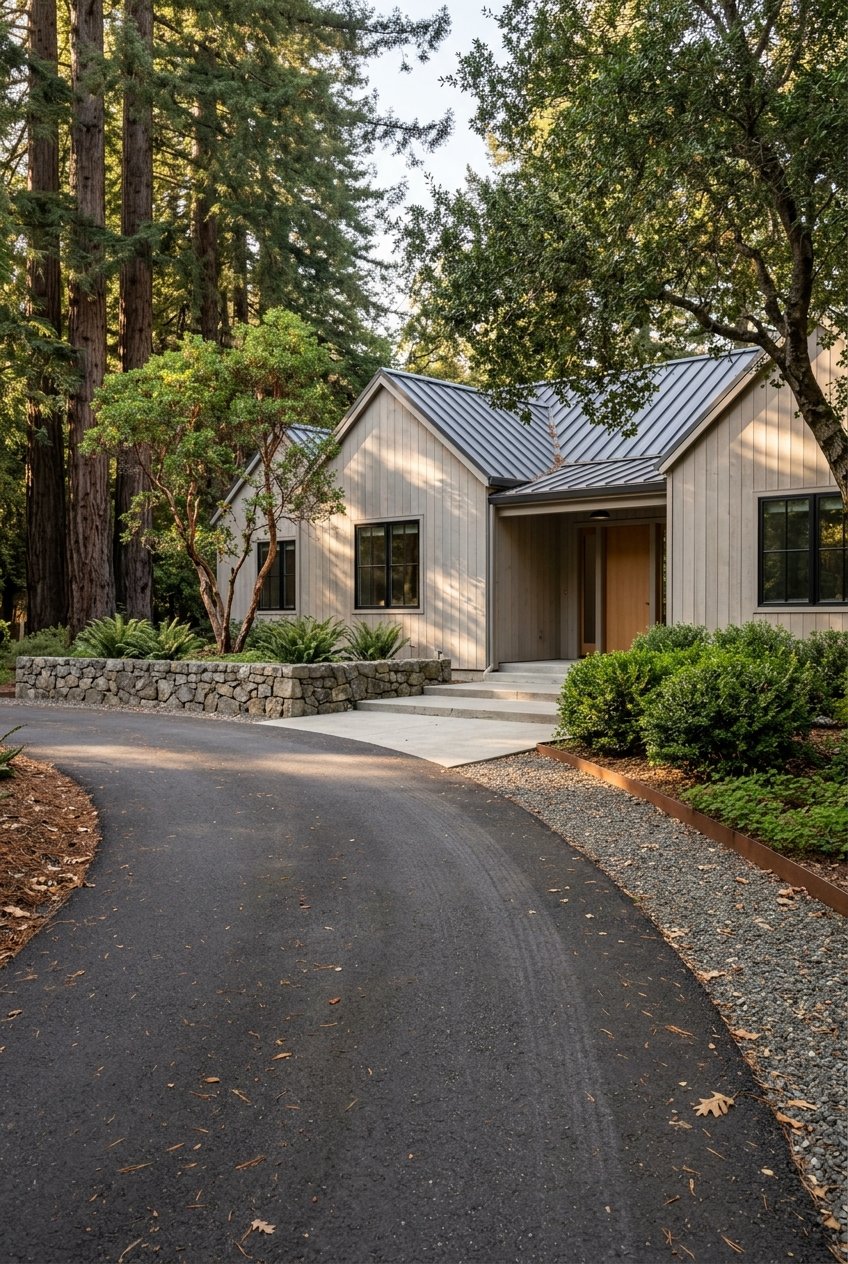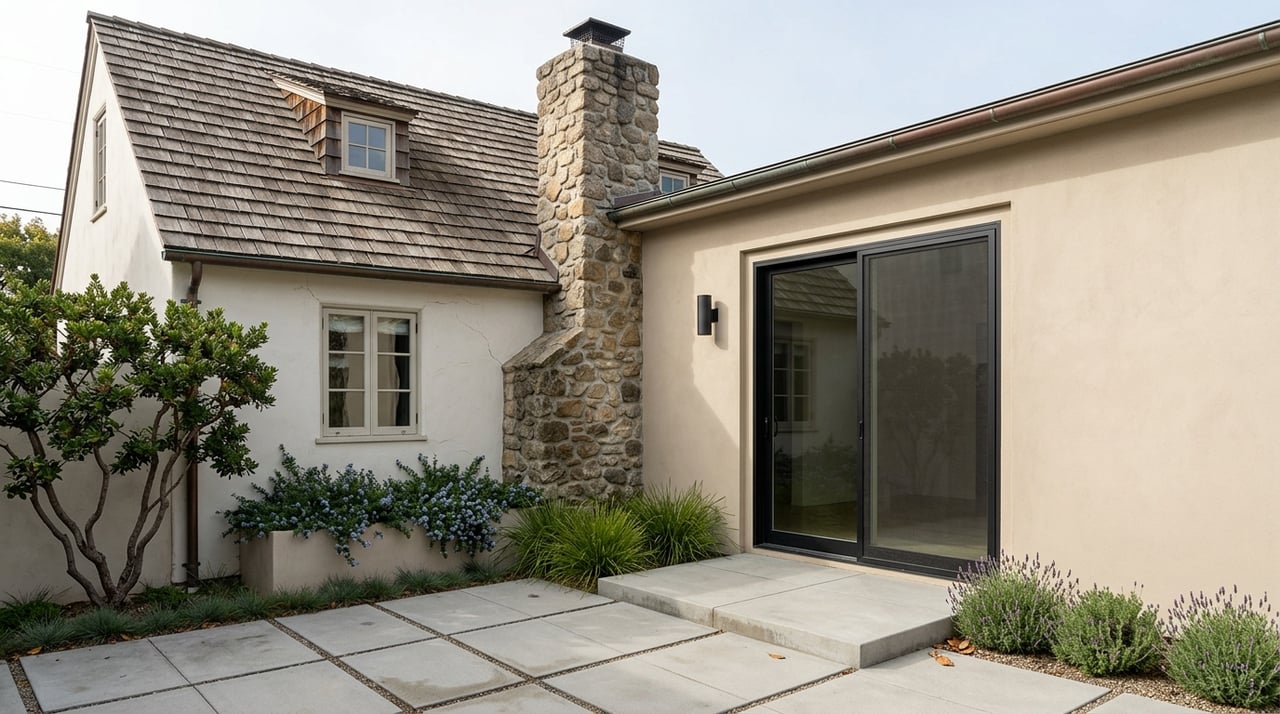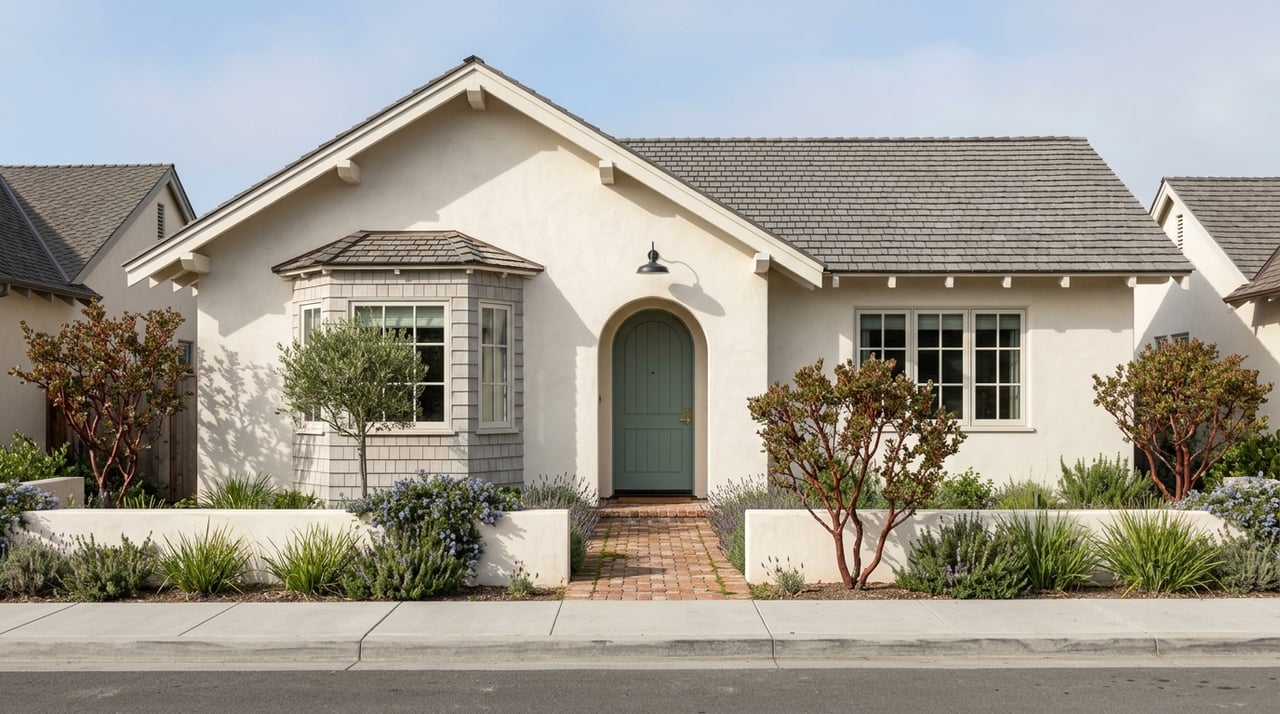
Looking for a second home in Carmel-by-the-Sea can feel simple at first. It is a small village, after all. But once you start comparing blocks, price points, walkability, parking, and remodel potential, you quickly see that one part of Carmel can live very differently from another. This guide will help you understand the main neighborhood tradeoffs so you can choose a Carmel second home that fits how you actually want to spend your time there. Let’s dive in.
Why Carmel feels block by block
Carmel-by-the-Sea is just one square mile, and its central district is known for being highly walkable. In the village core, you are close to the beach, shops, galleries, restaurants, and inns, often without needing to drive much once you arrive.
That compact layout is a big reason second-home buyers are drawn here. At the same time, Carmel is not a market where broad averages tell the whole story. Recent citywide and neighborhood-level pricing shows large swings, which makes block-by-block comparisons especially important when you are deciding where to buy.
Start with your second-home priorities
Before you focus on a specific street, it helps to define what matters most to you. In Carmel, the right neighborhood usually comes down to a three-way tradeoff between walkability, beach access, and privacy.
If you want to park the car and stroll to dinner, the village core may be the strongest fit. If you picture quick beach walks and easy access to both the shoreline and Ocean Avenue, the beach-adjacent areas often rise to the top. If you care more about a quieter setting, more trees, or a larger lot, inland pockets may make more sense.
Village core: best for walkability
The village core, often thought of as Downtown Carmel, is the easiest place to enjoy a true walk-to-everything lifestyle. Official local materials describe the downtown village as a short walk to the beach, and the area offers free curbside parking on every block in the central business district plus several public lots.
For a second home, that convenience can be a major advantage. You can arrive for the weekend, leave the car parked, and move around on foot for most of your stay. That kind of ease is hard to replicate elsewhere.
What buyers tend to like
Buyers often choose the village core for:
- Fast access to Ocean Avenue shops and dining
- Short walks to Carmel Beach
- Easy guest orientation for weekend visits
- A classic village experience without relying on a car
The tradeoffs to expect
Convenience comes with tradeoffs. Downtown is more exposed to visitor traffic, and guest logistics may involve timed parking rules and more planning than you would need on quieter residential streets.
Pricing can also be substantial. Recent Downtown Carmel data showed a neighborhood median sale price of $7.3 million in March 2026, with individual sales ranging widely. That spread is a reminder that even within downtown, location, lot placement, and house style can have a major impact on value.
Golden Rectangle and Carmel Point: best for beach access
If your idea of a second home centers on the coast, the ocean-adjacent blocks often represent the most sought-after option. This includes the Golden Rectangle and Carmel Point, where buyers are often drawn to the balance of beach access, village access, and a strong sense of place.
The city provides beach access and parking at the base of Ocean Avenue and along Scenic Road, along with additional walkways from San Antonio Avenue. That makes these areas especially appealing if you want your Carmel routine to include regular beach time without giving up easy connections to the village.
Why these areas stand out
For many second-home buyers, this is the highest-utility geography in Carmel. You get a rare combination of shoreline proximity, village convenience, and the classic coastal setting that draws people to Carmel in the first place.
These neighborhoods also reflect the premium attached to that lifestyle. Carmel Point had a median sale price of $7.1 million in March 2026, and recent examples ranged from a $3.7 million home near Mission Ranch and the beach to an $11.95 million oceanfront property on Scenic Road.
What to consider before buying here
Scarcity shapes this market. Limited coastal parcels, walkability, and view potential all support higher pricing, so you should expect to pay more for homes with the strongest beach-village positioning.
It is also smart to think carefully about parking and guests. While these locations can be very convenient, popular beach access points and public parking patterns can affect how busy certain blocks feel, especially during peak visitor periods.
Hatton Fields and Carmel Woods: best for privacy
If you are drawn to a more peaceful day-to-day feel, inland neighborhoods like Hatton Fields and Carmel Woods are often the first places to compare. These pockets generally trade some walkability for calmer streets, more trees, and, in many cases, larger lots.
For a second-home buyer, that can translate into a different kind of luxury. Instead of stepping straight into the center of activity, you may get more privacy, easier parking, and a setting that feels tucked away.
Hatton Fields at a glance
Hatton Fields is often associated with quieter streets and less through traffic. Recent examples ranged from about $1.699 million to $5.879 million, and the neighborhood median sale price was $2.9 million in March 2026.
That pricing suggests a different value profile from downtown or the prime ocean-adjacent blocks. If you are comfortable driving to dinner or the beach, Hatton Fields can offer a calmer ownership experience.
Carmel Woods at a glance
Carmel Woods also appeals to buyers looking for a quieter setting. March 2026 data showed a neighborhood median sale price of $3.1 million, and market notes indicated homes there may take longer to sell than in the beach-adjacent core.
That difference matters because it hints at a distinct buyer pool and pace. If you prioritize lot size, privacy, and a less visitor-oriented environment, Carmel Woods may deserve a close look.
Architecture changes the feel fast
One reason Carmel shopping can be so nuanced is that the architecture is more varied than many buyers expect. The city’s historic context ties Carmel’s character to Arts and Crafts roots, narrow curving streets, homes that follow the topography, and abundant landscaping.
At the same time, Carmel is not only storybook cottages. The city also recognizes Modern, Bay Region Modern, and California Ranch homes as part of its architectural mix, which means your second-home search may include a wider range of design styles than you initially assume.
Lot pattern matters too
Lot geometry can shape how a home lives just as much as style. The city notes that a typical 4,000-square-foot lot has a base floor area of 1,800 square feet, setbacks vary by lot size and shape, and homes are limited to a maximum of two stories.
In the Beach and Riparian Overlay District west of Carmelo Street, the height limit is 18 feet. That means similar square footage can feel very different depending on the block, parcel shape, and surrounding context.
Think ahead about remodel plans
If you are buying a second home with renovation in mind, Carmel requires careful planning. The city says most exterior alterations require design review, and it regulates details such as window materials and placement, with wood windows serving as the local standard.
Because Carmel sits entirely within the coastal zone and operates under a certified Local Coastal Program, updates may also involve coastal and historic-preservation considerations. In practical terms, you should budget time for review rather than assuming a quick remodeling process.
Do not assume short-term rental income
This is one of the most important ownership details for second-home buyers. Carmel prohibits rentals of less than 30 consecutive days in the single-family R-1 district.
There are limited permit structures in some commercial and R-4 districts, but for most detached residential buyers, short-term vacation rental income should not be assumed in your purchase math. If rental flexibility matters to you, this issue should be part of your neighborhood review very early in the process.
Parking matters more than you think
Parking can have an outsized impact on second-home enjoyment. The city offers residential parking permits to owners and residents, while visitors often rely on timed curb parking and public lots.
That setup can work well, but it means you should think through guest visits, holiday weekends, and beach days before choosing a location. A home that feels perfect during a quiet weekday showing may function differently when friends or family come to town.
How to narrow your Carmel search
If you are comparing neighborhoods, a simple framework can help:
- Choose Downtown Carmel if your top priority is walkability and you want the easiest access to shops, dining, and the beach.
- Choose the Golden Rectangle or Carmel Point if you want the strongest blend of beach access, village convenience, and classic Carmel coastal appeal.
- Choose Hatton Fields or Carmel Woods if you value privacy, a quieter setting, and potentially more lot space over a short walk to the center of town.
The best match depends less on the citywide median and more on how you want to use the home. In Carmel, your daily routine often starts with the block you choose.
If you are weighing Carmel neighborhoods for a second home, a local, property-specific perspective can make the decision much clearer. The Lyng-Vidrine Team helps buyers navigate coastal micro-markets with the kind of detail that matters in a place as nuanced as Carmel-by-the-Sea.
FAQs
What is the most walkable neighborhood for a second home in Carmel-by-the-Sea?
- The village core, or Downtown Carmel, is generally the most walkable option because it offers easy access to Ocean Avenue, Carmel Beach, shops, restaurants, and galleries.
What Carmel-by-the-Sea neighborhood is best for beach access?
- The Golden Rectangle and Carmel Point are often the top choices for buyers who want close access to the beach along with convenient access to the village.
What Carmel-by-the-Sea neighborhoods feel quieter for second-home buyers?
- Hatton Fields and Carmel Woods are often compared by buyers who want calmer streets, more privacy, more trees, and in some cases larger lots.
Can you use a Carmel-by-the-Sea second home as a short-term rental?
- In the single-family R-1 district, Carmel prohibits rentals of less than 30 consecutive days, so most detached-home buyers should not assume short-term rental income.
Why do Carmel-by-the-Sea home prices vary so much by neighborhood?
- Carmel pricing can shift sharply because the market is sensitive to small sales samples, luxury properties, and block-level differences in walkability, beach access, lot pattern, and views.
Should you plan for design review when remodeling a Carmel-by-the-Sea second home?
- Yes. The city says most exterior alterations require design review, and coastal-zone and historic-preservation factors can affect the timeline for planned updates.