Thinking about trading Bay Area bustle for Santa Cruz sunsets, but not sure what it really costs to live here? You are not alone. Many professionals eye the Westside for its surf, scenery, and easy access to outdoor life, then wonder how housing, utilities, and commuting add up. This guide gives you a clear picture of everyday expenses, common tradeoffs, and smart value strategies tailored to Westside Santa Cruz so you can plan with confidence. Let’s dive in.
Housing costs set the tone
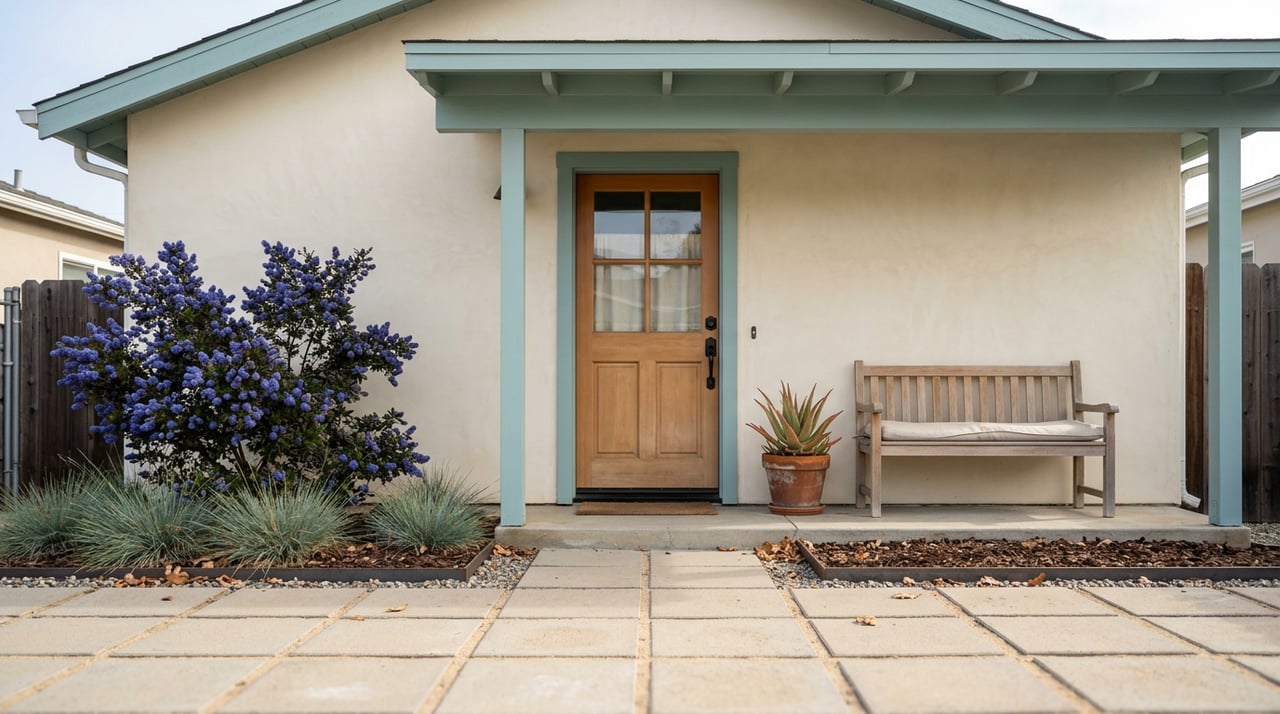
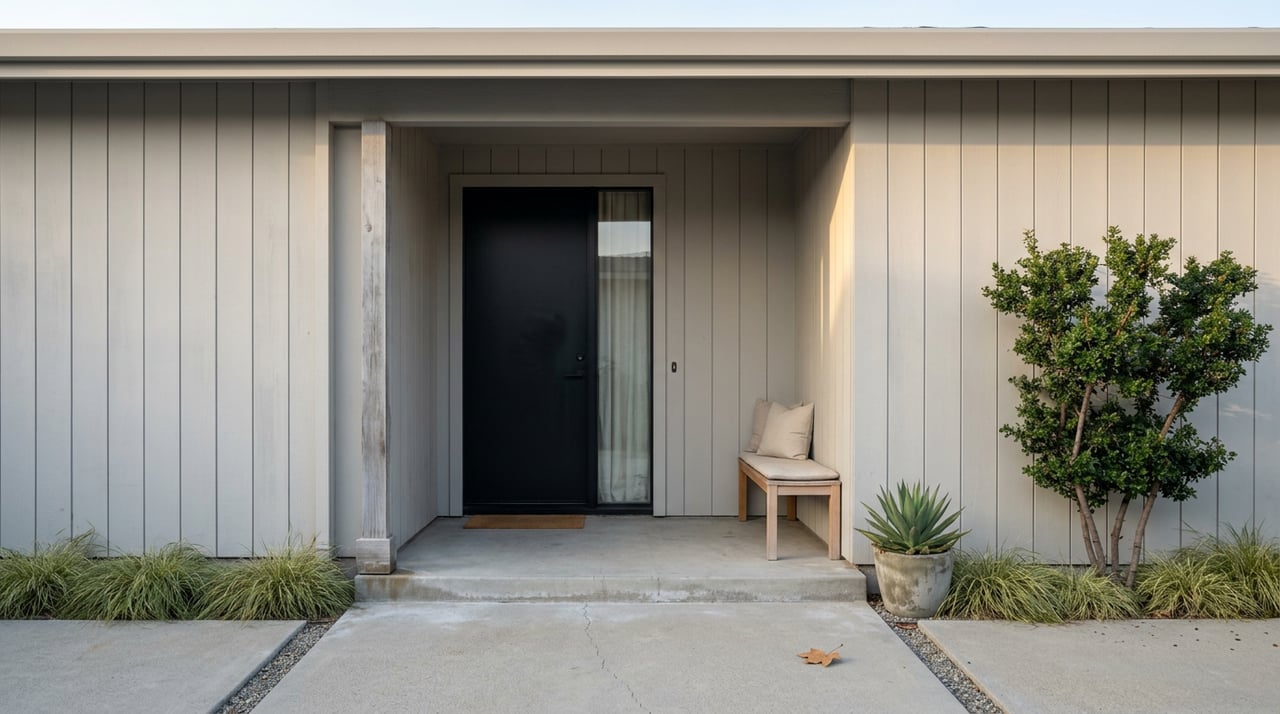
On the Westside, you will find older cottages and bungalows, small to mid-size condos, and a handful of newer infill homes. Properties closest to the ocean and West Cliff Drive tend to command a premium due to views and walkable coastal access. Inventory is often tight, with interest from local buyers, Bay Area relocators, and some second-home demand. Activity usually rises in late spring and summer, which can also make showings and services busier.
Median prices and rents shift with market cycles. As you plan, focus on your specific property type and location rather than a single citywide number. Near-coast single-family homes typically sit well above inland parts of the county, while Westside condos offer a lower entry price than houses but still reflect the coastal premium.
Renting on the Westside
- One-bedroom and larger rentals in the city generally cost more than the U.S. median.
- Seasonal visitor demand and short-term rentals can affect availability and pricing.
- If flexibility matters, start early and be ready to act when the right unit appears.
Buying on the Westside
- Condos and townhomes can be a more attainable entry point with less exterior maintenance.
- Single-family homes near the coast often trade at a significant premium.
- Many homes were built between the 1940s and 1970s. Expect a careful look at roofs, plumbing, foundations, and any retaining walls, especially near bluffs or stream corridors.
Fixed ownership costs to plan for
- Property tax in California commonly lands around 1 percent of assessed value plus voter-approved assessments. In Santa Cruz County, final bills are often above the base due to parcel taxes and special assessments.
- Homeowners insurance may run higher near the coast, and some bluff-adjacent properties can require extra endorsements. Lender requirements can vary based on flood or slope exposure.
- HOA dues for condos and planned communities can be meaningful, though they sometimes cover insurance components, reserves, landscaping, and even water or sewer. Always compare HOA inclusions to expected standalone utility costs.
- Salt air increases wear on exterior finishes and mechanical systems. Budget for more frequent exterior maintenance than inland homes typically need.
Monthly utilities and services
Electricity in Santa Cruz is provided by PG&E, with California rates generally higher than the national average. Tiered structures and seasonal adjustments can apply. EV charging, electric water heating, and HVAC drive most bills.
Natural gas usage will vary by season. Water and sewer rates are published by the City of Santa Cruz and nearby districts. Coastal landscaping can push summer water bills higher, though some multi-unit buildings include water or sewer in HOA dues.
Garbage and recycling services have monthly fees based on container size and provider. For internet, multiple providers serve the Westside, including cable and fiber in some pockets, with pricing in line with broader Bay Area norms for high-speed service.
Groceries, dining, and healthcare
Groceries typically run above the national average. You will find a mix of chain supermarkets, specialty stores, and farmers markets. Specialty and local markets often cost more but can offer quality and variety.
Dining out is pricier than many inland markets. Restaurants near the beach and downtown can carry a premium, especially in peak season. If you eat out often, plan extra for spring through early fall when visitor demand is strongest.
Healthcare costs are above the U.S. median across much of the Bay Area. Local care options are good in Santa Cruz. For some specialties, you may travel to San Jose, Santa Clara, or Monterey depending on your needs and provider network.
Transportation and commuting costs
Highway 17 is the main route to Silicon Valley and can be a chokepoint. Typical drive times to South San Jose range from about 40 to 60 minutes without heavy traffic. Many Valley employment centers run 45 to 75 minutes or more depending on time and route. Expect longer trips to San Francisco, often 90 to 120 minutes each way.
There is no direct passenger rail from Santa Cruz to San Jose or San Francisco in regular service. Local buses connect across the city and link to regional nodes. You can pair an Amtrak Thruway bus with Caltrain at San Jose Diridon for a hybrid transit commute. Many employers also support carpooling, park-and-ride options, or shuttle programs.
When modeling commute costs, include:
- Fuel: California gas prices are typically higher than the national average. Longer commutes add up quickly.
- Tolls: Bridge routes or express lane use can add roughly 5 to 15 dollars round trip depending on route and time.
- Parking: Factor in meters in Santa Cruz and possible employer parking fees in the Valley.
- Vehicle wear: Longer drives raise maintenance, insurance exposure, and depreciation.
- Transit fares: Local bus passes, regional express buses, and rail passes vary. Check current schedules and prices before you set a monthly number.
Lifestyle and seasonal costs
Many of the best parts of Santa Cruz life are free or low cost. Beaches, coastal paths, and parks deliver a lot of value. You should still plan for add-ons like parking at popular access points, tickets for concerts or events, and surf lessons or gear rentals if you are getting started.
Gym memberships align with Bay Area norms, while boutique studios in tourist hubs can be higher. During peak season, popular restaurants and services can feel busier and pricier. Build a seasonal cushion into your discretionary budget if you love dining out or entertainment.
Value strategies for Westside buyers
If you want coastal living while keeping costs in check, consider these practical moves:
- Move a few blocks inland: You will often see lower prices per square foot while staying close to beaches by bike or a short drive.
- Consider condos or townhomes: You may trade private yard space for less maintenance and lower utilities. Weigh HOA dues against what they cover.
- Target well-built older homes: Cosmetic updates can be more cost-effective than paying a premium for turnkey. For bluff-adjacent homes, add geotechnical review and insurance feasibility to your due diligence.
- Expand the map slightly: Parts of Live Oak, Harvey West, and Westside fringe areas can offer better price per square foot while keeping quick access to the coast.
On the financial side, get pre-approved and set a clear ceiling for your total cost of ownership, not just principal and interest. Include taxes, insurance, HOA dues, utilities, and a maintenance reserve. In older homes, negotiate with real contractor quotes in hand so you can align price with real work needed. It helps to work with lenders and insurance brokers who understand coastal properties.
Build your monthly budget
Use this framework to create a realistic monthly plan for Westside Santa Cruz:
- Housing: rent or mortgage. For owners, add property taxes, insurance, and any HOA dues.
- Utilities: electricity, gas, water, sewer, garbage, internet. Adjust seasonally for heating, landscaping, and EV charging.
- Transportation: fuel, tolls, parking, transit passes, maintenance, and a buffer for Highway 17 variability.
- Groceries and household: food, personal care, and pet needs.
- Healthcare: premiums if applicable, co-pays, prescriptions.
- Discretionary: dining, gym or studio memberships, surf or outdoor gear, events, and seasonal parking at popular beaches.
Treat Santa Cruz as a higher-cost Bay Area city in your model, with housing as the main variable. Then customize for your commute pattern and lifestyle.
How we help you decide
Choosing a Westside home is about more than the list price. It is total cost, commute rhythm, and the lifestyle you want. With deep experience in coastal and bluff-side properties, we help you compare near-coast versus a few blocks inland, condo versus single-family, and turnkey versus cosmetic update. We guide you through HOA documents, inspection strategy, and insurance feasibility so you can purchase with clarity.
If you are exploring a sale, our cinematic marketing and concierge advisory deliver polished presentation and strong buyer reach. If you are buying, our neighborhood insight and hands-on approach help you secure the right property at the right overall cost.
Ready to explore Westside Santa Cruz with a clear plan? Connect with The Lyng-Vidrine Team to map costs, compare neighborhoods, and make your next move with confidence.
FAQs
What are typical Westside commute times to Silicon Valley?
- Plan on about 40 to 60 minutes to South San Jose in lighter conditions, and 45 to 75 minutes or more to other Valley hubs, with Highway 17 incidents adding time.
Is commuting to San Francisco from Santa Cruz realistic daily?
- It is possible but long. Expect about 90 to 120 minutes each way depending on departure time, route, and traffic.
How do HOA dues affect monthly costs for condos?
- Dues can look high but may bundle items like insurance components, reserves, landscaping, and sometimes water or sewer, which can lower separate utility bills.
What hidden costs come with beach-town living?
- Plan for higher exterior maintenance due to salt air, potentially higher insurance, seasonal parking fees, and pricier dining and services during peak tourist months.
How can I find better value on the Westside without losing the beach vibe?
- Look a few blocks inland, consider condos or townhomes, and target older homes with good bones for cosmetic updates while avoiding structural or coastal hazard issues.
How should a single professional build a realistic monthly budget here?
- Start with local rents or current mortgage scenarios, then add taxes, insurance, HOA if applicable, utilities, commute costs, groceries, healthcare, and a discretionary buffer for seasonal dining and recreation.