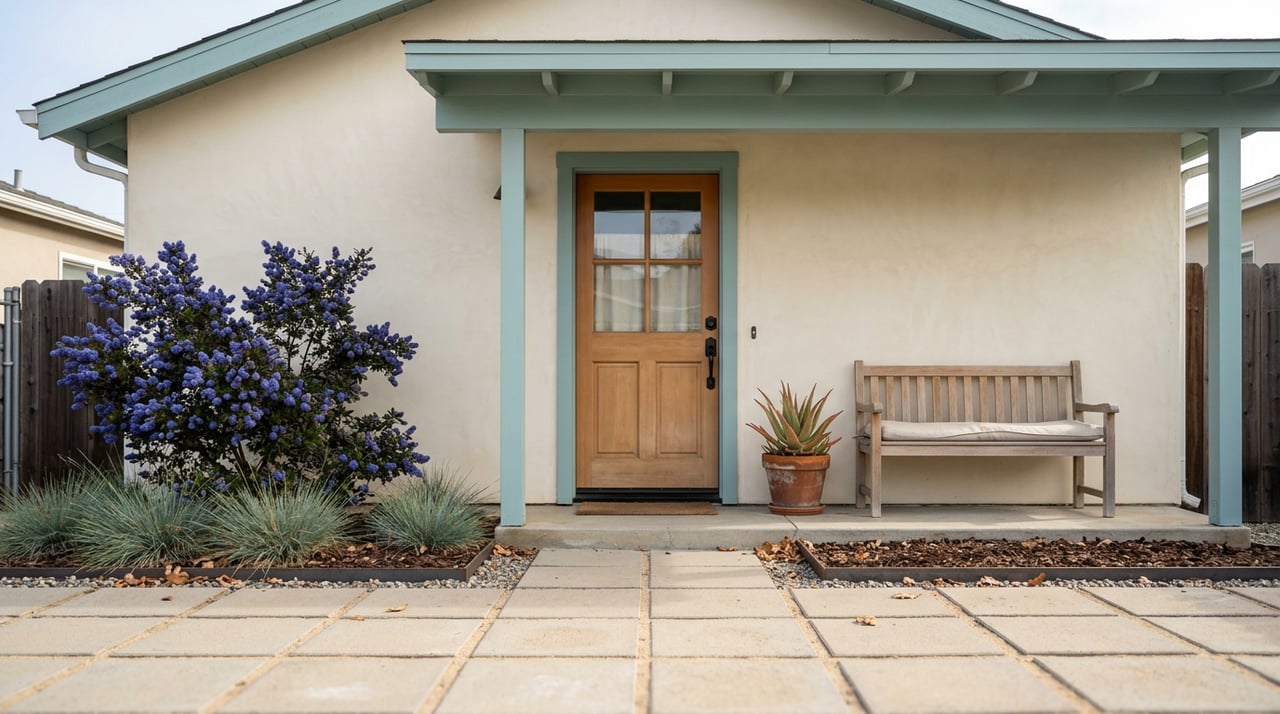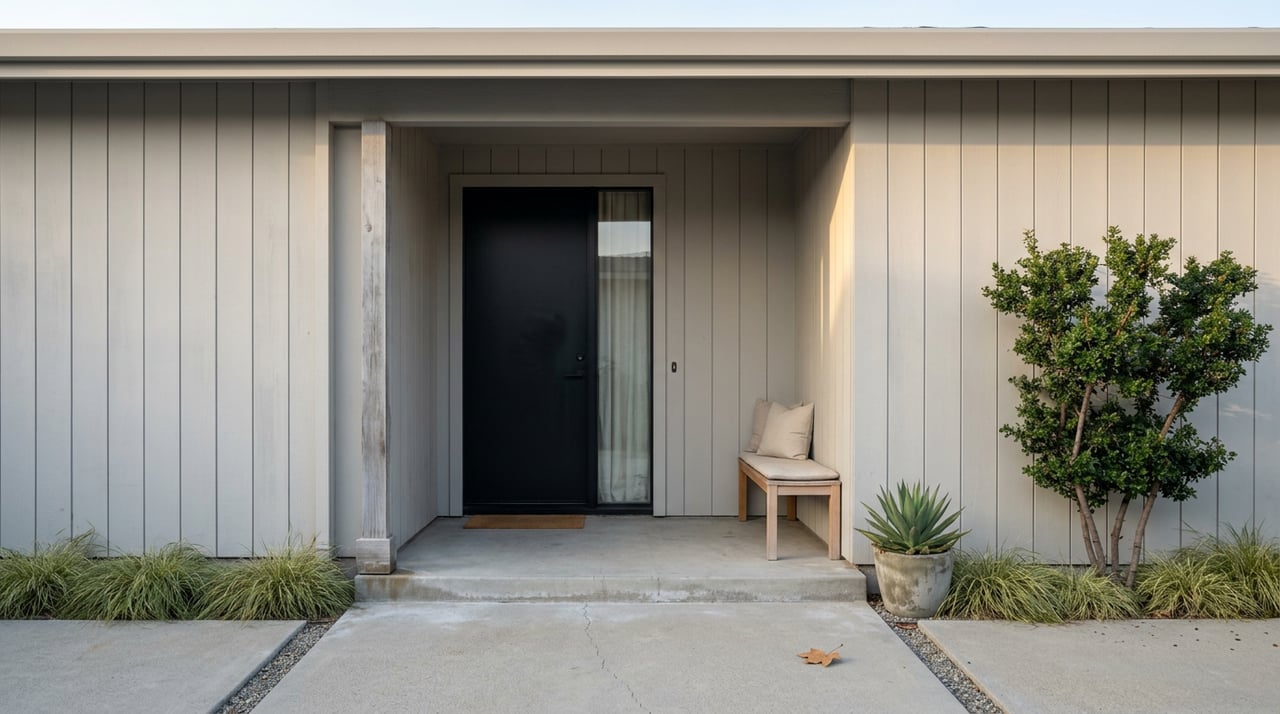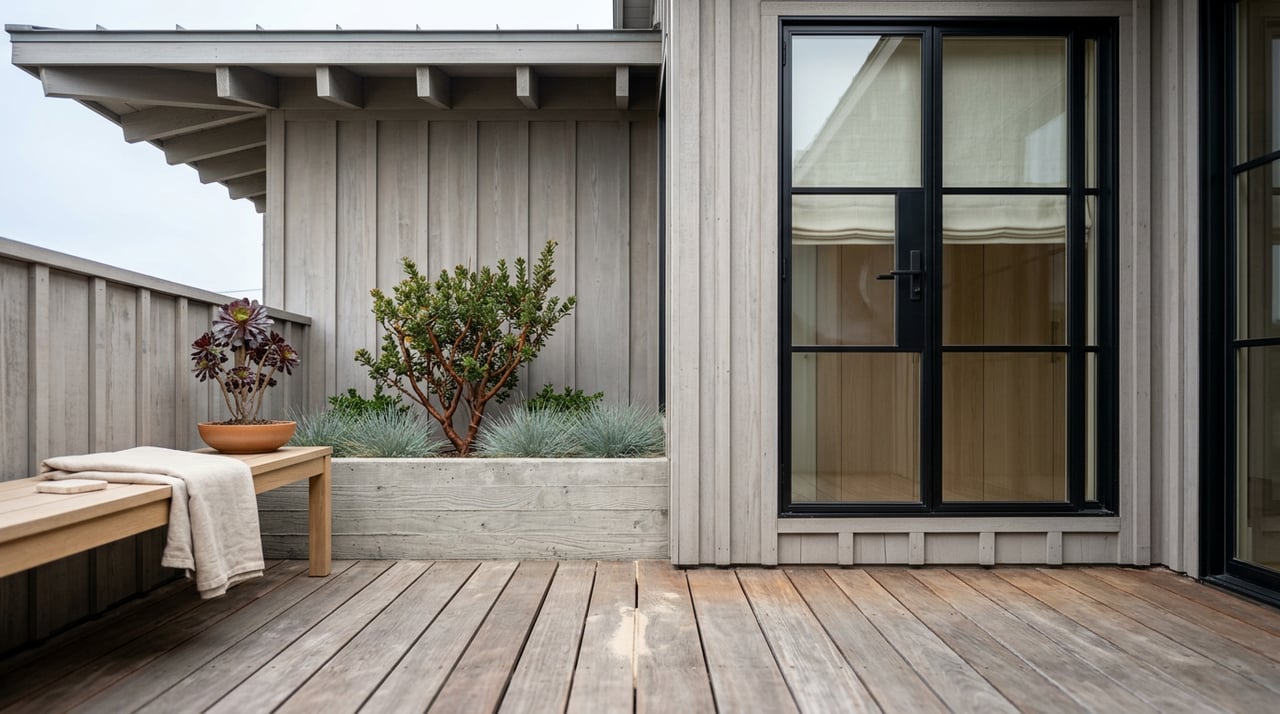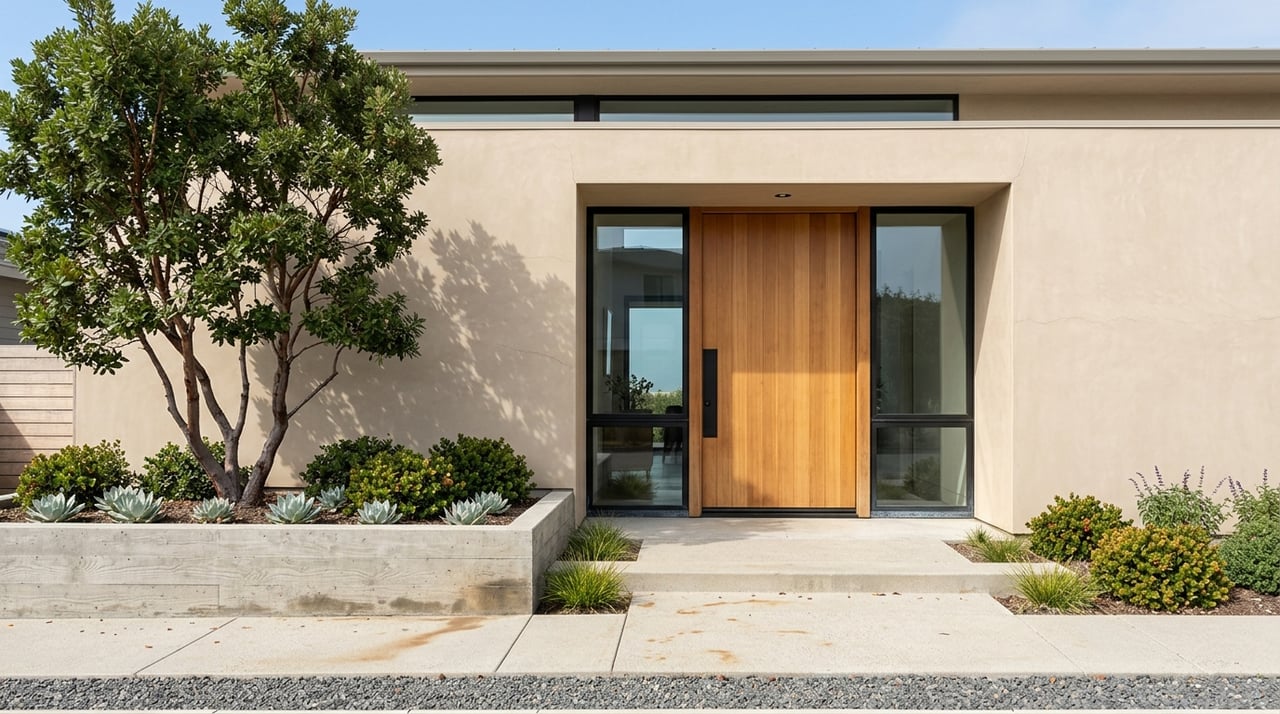
What makes an architecturally unique home stand out in Santa Cruz is not just the design itself. It is how clearly that design is explained, priced, and presented to the market. If you are preparing to sell a distinctive property, you need buyers to understand its value quickly and see why it belongs in Santa Cruz’s broader architectural story. This guide will show you how to position a one-of-a-kind home with stronger pricing logic, sharper marketing, and a more compelling launch. Let’s dive in.
Why positioning matters in Santa Cruz
Santa Cruz is a high-value market, but it is also a selective one. According to Redfin’s Santa Cruz housing market data, the median sale price reached $1.32M in February 2026, homes sold in a median 19 days, and prices were up 13.1% year over year. That points to strong demand, but it does not mean every unique home can command any price without support.
A second market snapshot from Realtor.com’s Santa Cruz overview reported a $1.56M median listing price, 148 homes for sale, a median 36 days on market, and a 98% sale-to-list ratio in February 2026. Together, these numbers suggest a market where buyers will pay for quality and distinction, but they still expect the asking price to make sense.
For sellers of unusual homes, that creates a clear challenge. You need to present the property as special without making it feel impossible to value. The goal is not to rely on rarity alone. The goal is to connect the home’s architecture to local market evidence in a way buyers can trust.
Santa Cruz has real architectural context
A unique home is easier to position when it is framed within Santa Cruz’s existing architectural identity. The city’s planning materials note that Santa Cruz was founded in 1791 and has a preservation program designed to protect historic and architectural resources. The city also states that its preservation system includes landmarks, resources, historic districts, and neighborhood conservation areas, with historic preservation oversight and designation tools already in place.
According to the city’s cultural resources planning document, Santa Cruz includes a wide range of historical styles, including Spanish Mission, Spanish Colonial, Victorian, Romantic, Craftsman, Bungalow, Mission Revival, Spanish Colonial Revival, Moderne, and Vernacular forms. That matters because buyers are not just comparing square footage or finish level. In many cases, they are reacting to character, materials, period details, and how a home fits into the larger built environment.
If your property sits within a historic area or reflects a known style, that should be part of the listing story. For example, the city describes the Downtown Neighborhood Historic District as the oldest residential area in Santa Cruz, with major local styles from the 1860s through the early 20th century and redwood as a common building material. Context like this can help buyers understand why a home feels different and why that difference may hold value.
Start with the home’s story
Architecturally unique homes rarely sell well when marketed like standard inventory. Buyers need a simple, convincing explanation of what makes the property special. That story might center on the architect, the era, the materials, the siting, the indoor-outdoor flow, or the relationship between the house and its setting.
In Santa Cruz, that story should also feel anchored to place. A home may reflect coastal design, historic influences, redwood construction, or a strong connection to views and topography. The more clearly you define the property’s identity, the easier it becomes to attract the right buyer.
This is where good positioning becomes practical, not just creative. Instead of saying a home is “one of a kind,” a stronger approach is to show exactly why. Buyers respond better when the listing explains the design language, the layout logic, and the details that are difficult to replicate.
Price with discipline, not just confidence
Pricing is often the hardest part of selling a rare home. If there are few direct comparables, it can be tempting to treat uniqueness as its own pricing strategy. In reality, buyers, appraisers, and agents still need evidence.
The USDA appraisal guidance states that the sales comparison approach is required in all cases, typically with at least three comparable sales unless comparable sales are unavailable. It also notes that unique properties or those with specialized improvements may require a cost approach or other methods when the sales comparison approach cannot be fully developed.
For you as a seller, the takeaway is simple. Start with recent local comparable sales, then carefully widen the lens if direct matches are scarce. That might mean looking at older sales, nearby design-driven properties, or homes with similar view, lot, or historic characteristics. The pricing case should feel thoughtful and defensible, not forced.
Santa Cruz’s 98% sale-to-list ratio, as reported by Realtor.com, reinforces the importance of this discipline. Even in a seller’s market, most homes are not trading far above their asking price. A well-positioned unique home can command a premium, but that premium needs a clear rationale.
Build a stronger pre-listing package
Before your home hits the market, gather the information that helps support its value. This step is especially important for architecturally notable or historically relevant properties.
A strong pre-listing package may include:
- Confirmation of whether the property is individually designated or located within a historic district
- Permit history for renovations, additions, or major repairs
- Original plans, architect attribution, or design records if available
- Notes on materials, craftsmanship, or custom features
- A clear timeline of meaningful upgrades
These details do more than answer buyer questions. They also help your agent build a more precise value narrative and reduce uncertainty during diligence.
Use media that helps buyers understand design
Architectural homes need better visual marketing than average homes. According to the National Association of Realtors 2025 Home Buyers and Sellers report, among buyers who used the internet, 83% found photos very useful, 57% said the same about floor plans, 41% rated virtual tours as very useful, and 29% said videos were very useful. NAR also reported that 51% of buyers found the home they purchased on the internet.
That matters because a distinctive home often wins or loses attention before a showing is ever scheduled. Buyers need to understand how rooms connect, how light moves through the house, and how the architecture interacts with the site. Standard listing photos usually are not enough.
A stronger media plan often includes:
- Professional still photography
- Detailed floor plans
- Cinematic walk-through video
- Virtual tour assets that show spatial flow
- Aerial imagery when the setting is part of the value story
NAR’s guidance on virtual tours notes that virtual tours help buyers explore a property from any location and better understand how spaces connect. For Santa Cruz homes where site, view corridors, and indoor-outdoor living matter, that kind of presentation can be especially important.
Speak to both local and out-of-area buyers
Not every likely buyer for a special Santa Cruz home is already local. Some may be moving within the county, while others may be coming from the Bay Area or shopping for a second home along the Monterey Bay corridor. Your listing needs to work for both groups.
That means the marketing should explain not only the home, but also its place within Santa Cruz. If there is a historic designation, a recognized style, or a meaningful connection to the city’s architectural development, buyers should not have to dig for that information. It should be clearly presented from the start.
NAR found that buyers place high importance on an agent’s local area knowledge, market knowledge, negotiation skills, and communication skills. In the same report, 88% of buyers purchased through a real estate agent or broker. For a one-of-a-kind property, those findings support choosing representation that can translate design value into buyer confidence.
The right first impression still matters
Buyers move fast online, even when they take time to make a decision. NAR reported a median home search period of 10 weeks and a median of 7 homes viewed by recent buyers. That means your listing has to create immediate clarity while still offering enough substance for serious buyers to keep engaging.
For architecturally unique homes, the first impression should answer three questions quickly:
- What makes this home different?
- Why does that difference matter in Santa Cruz?
- How is the asking price supported?
If your listing materials answer those questions well, you are more likely to attract qualified attention instead of curiosity without commitment.
Why boutique strategy can make a difference
Selling an unusual home often calls for more than a standard listing process. It takes thoughtful pricing, polished presentation, careful documentation, and a marketing plan that highlights architecture without losing sight of local market realities.
That is where a hands-on strategy matters. With architecturally significant and coastal properties, details like staging, renovation guidance, cinematic media, and clear buyer messaging can shape how the market responds. When those pieces work together, the home’s uniqueness becomes easier for buyers to understand and easier for the market to reward.
If you are considering selling an architecturally unique home in Santa Cruz, working with a team that understands both design-driven presentation and local pricing can help you enter the market with more confidence. To explore a tailored strategy for your property, connect with The Lyng-Vidrine Team.
FAQs
How should you price an architecturally unique home in Santa Cruz?
- Start with recent local comparable sales, then expand carefully if direct matches are limited due to design, lot, view, or historic features.
What listing materials help sell a distinctive Santa Cruz home?
- The most useful tools often include professional photography, floor plans, virtual tours, video, and complete property documentation that explains the home’s design and condition.
Why does historic status matter when selling a Santa Cruz property?
- Historic status or district location can affect how the home is described, what buyers need to know, and whether alterations or demolition may require city review or permits.
What do Santa Cruz market conditions mean for unique homes?
- The market supports strong values, but buyers still expect pricing to be tied to evidence, especially when a home is rare or difficult to compare.
Why is local expertise important for architecturally notable homes in Santa Cruz?
- Local market and architectural context can help buyers understand the property more quickly and can support clearer pricing, marketing, and negotiation strategy.